
Everyday Coastal Living Near Vengurla Beach: Where Nature, Sustainability & Long-Term Vision Come Together
For many years, coastal destinations in India were viewed primarily as holiday escapes—places we visited to unwind before returning to the pace of city life. Today, I believe that perspective is changing. Increasingly, professionals, entrepreneurs, retirees, and families are looking beyond vacations and embracing Everyday Coastal Living Near Vengurla Beach as a conscious lifestyle choice that prioritizes wellness, sustainability, and long-term value.
From my experience in sustainable development and responsible real estate, I have come to believe that true prosperity is not measured solely by financial returns. It is equally defined by the quality of the environment we inhabit, the resilience of our communities, and the legacy we leave for future generations. Coastal regions that preserve their ecological richness while adopting thoughtful infrastructure have the potential to offer both a fulfilling lifestyle and enduring value.
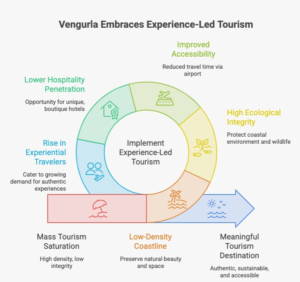
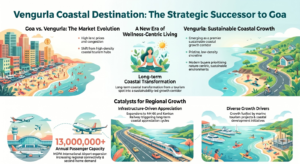
Nestled along Maharashtra’s scenic Konkan coastline, Vengurla stands out as one such destination. Known for its clean beaches, coconut groves, traditional Konkani culture, and relatively low-density development, it offers an alternative to increasingly congested coastal markets. Rather than promoting rapid urbanisation, Everyday Coastal Living Near Vengurla Beach represents an opportunity to live closer to nature while respecting the ecosystems that make coastal life possible.
The Maharashtra Tourism Department highlights Vengurla as one of the state’s attractive coastal destinations, recognised for its natural beauty, beaches, and cultural heritage. Exploring destinations like Vengurla through the official Maharashtra Tourism portal provides valuable insights into the region’s tourism and ecological significance:
Maharashtra Tourism – Vengurla
However, my interest extends beyond tourism. I see Vengurla as a living example of how sustainability, responsible land ownership, and community-centric development can coexist. This article explores why Everyday Coastal Living Near Vengurla Beach deserves attention from investors, policymakers, environmental advocates, and anyone seeking a healthier way of life.
Why Everyday Coastal Living Near Vengurla Beach Is Becoming a Lifestyle Choice
Across the world, lifestyle preferences are evolving. The rise of hybrid work, digital entrepreneurship, and flexible careers has reduced the need for many professionals to remain tied to metropolitan centres. As a result, people are increasingly prioritising healthier environments over proximity to commercial districts.
For me, Everyday Coastal Living Near Vengurla Beach reflects this broader shift. It is not about escaping urban life permanently; it is about creating a better balance between productivity and well-being.
International organisations such as UN Tourism have consistently emphasised that sustainable destinations contribute not only to tourism but also to local economic resilience, environmental conservation, and community development. These principles align closely with how I believe coastal regions should evolve.
Unlike heavily commercialised beach destinations, Vengurla retains a slower pace of life. Fishing communities continue traditional livelihoods, local markets support regional agriculture, and the surrounding landscape remains defined by coconut plantations, mango orchards, and coastal biodiversity. This balance between nature and everyday living creates a unique environment where residents can experience the benefits of coastal life throughout the year.
The Wellness Advantage of Everyday Coastal Living Near Vengurla Beach
One of the most compelling aspects of Everyday Coastal Living Near Vengurla Beach is its potential contribution to overall well-being.
Scientific research increasingly suggests that regular interaction with natural environments—including coastal ecosystems—can support mental health, reduce stress, and encourage physical activity. Studies published in peer-reviewed journals have associated exposure to “blue spaces,” such as oceans and coastlines, with improved psychological well-being and enhanced quality of life.
The World Health Organization (WHO) also recognises that healthier environments contribute significantly to public health outcomes, reinforcing the importance of clean air, green spaces, and sustainable communities.
Living near the coast naturally encourages outdoor activities. Morning walks along the shoreline, cycling through quiet coastal roads, spending time in open landscapes, and participating in community-based recreation become part of everyday life rather than occasional experiences. Such habits can positively influence both physical and mental health while reducing dependence on highly urbanised recreational spaces.
In my view, this is one of the greatest strengths of Everyday Coastal Living Near Vengurla Beach. Wellness becomes integrated into daily routines rather than pursued through expensive lifestyle choices.
Nature as an Everyday Companion
Modern cities often separate people from nature. High-rise buildings, traffic congestion, and limited open spaces make meaningful interaction with the natural environment increasingly difficult.
Vengurla offers a different experience.
Here, beaches, hills, forests, agricultural landscapes, and coastal ecosystems coexist within a relatively compact geography. This proximity to nature supports biodiversity while creating an environment where residents develop a stronger appreciation for ecological balance.
The NITI Aayog has consistently emphasised sustainable development and the Blue Economy as important components of India’s long-term growth strategy. Coastal regions that protect natural resources while encouraging responsible economic activity are well positioned to contribute to this vision.
As someone committed to environmental stewardship, I believe responsible development must never replace nature—it should work alongside it. Everyday Coastal Living Near Vengurla Beach demonstrates how communities can benefit economically while preserving the ecological assets that define their identity.
Infrastructure Is Quietly Shaping the Future of Everyday Coastal Living Near Vengurla Beach
One of the biggest misconceptions about coastal destinations is that they remain disconnected from modern infrastructure. In reality, some of India’s most promising coastal regions are witnessing gradual yet meaningful improvements in connectivity, and Vengurla is no exception.
From my perspective, infrastructure should never be measured merely by the number of highways or airports. It should be evaluated by how effectively it improves quality of life while respecting environmental boundaries. Sustainable infrastructure strengthens local economies, creates employment, enhances accessibility, and encourages responsible investment without compromising ecological integrity.
For those considering Everyday Coastal Living Near Vengurla Beach, improving regional connectivity is an important factor that supports long-term livability rather than just short-term tourism.
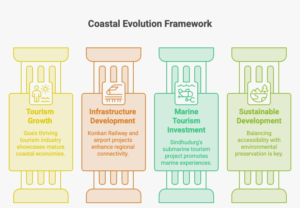
The continued development of National Highway 66 (NH-66) has significantly improved road connectivity across the Konkan region, making travel from Mumbai, Pune, Goa, and neighbouring cities more convenient. Official updates on national highway development are available through the Ministry of Road Transport & Highways (MoRTH).
Equally important is the Konkan Railway, which continues to play a vital role in connecting coastal Maharashtra with major metropolitan centres. Its contribution extends beyond passenger travel by strengthening regional commerce and accessibility. More information can be found on the Konkan Railway Corporation Limited website.
Air connectivity has also improved with the operationalisation of Sindhudurg Airport (Chipi), offering another gateway to the Konkan coast. In addition, Manohar International Airport (Mopa) in North Goa provides another convenient option for domestic and international travellers, further enhancing accessibility for residents and visitors.
For me, these developments do not simply make Vengurla easier to reach—they strengthen the case for Everyday Coastal Living Near Vengurla Beach by making everyday travel, business, and family connections more practical.
Government Initiatives Supporting Sustainable Coastal Development
The future of coastal regions cannot depend solely on private investment. It requires thoughtful public policy that balances economic development with environmental stewardship.
India has increasingly recognised the strategic importance of its coastline through initiatives focused on tourism, logistics, infrastructure, and the Blue Economy.
The Government of India’s Ministry of Tourism continues to promote sustainable tourism practices that encourage responsible visitor experiences while preserving natural and cultural heritage.
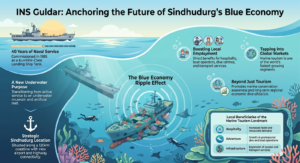
Similarly, NITI Aayog has identified the Blue Economy as an important pillar for long-term economic growth. Rather than viewing coastal regions only as tourist destinations, the Blue Economy framework recognises their broader contribution through fisheries, marine biodiversity, renewable energy, coastal livelihoods, eco-tourism, and environmental conservation.
In my opinion, these policy directions are encouraging because they support a more balanced vision of development—one where economic opportunities grow alongside environmental responsibility.
For anyone interested in Everyday Coastal Living Near Vengurla Beach, this policy environment creates confidence that future growth is increasingly being viewed through the lens of sustainability rather than unchecked expansion.
Climate, Air Quality and Everyday Well-Being
One of the greatest luxuries today is not defined by expensive architecture or exclusive addresses. It is defined by access to cleaner air, open landscapes, and healthier surroundings.
Unlike densely populated metropolitan areas, Vengurla benefits from its coastal geography, abundant vegetation, and relatively low-density settlement pattern. While seasonal variations are natural, the region generally offers a more relaxed environmental setting compared to heavily urbanised cities.
The India Meteorological Department (IMD) provides weather and climate information that helps residents and planners understand regional climatic conditions, an important consideration for sustainable coastal planning.
From my perspective, Everyday Coastal Living Near Vengurla Beach is not simply about enjoying sea views. It is about waking up to cleaner surroundings, experiencing seasonal rhythms more closely, and reconnecting with natural cycles that modern urban life often distances us from.
These seemingly small experiences—walking on the beach at sunrise, hearing the sound of waves, spending evenings outdoors, or simply breathing cleaner air—can collectively influence our long-term well-being.
Community, Culture and the Human Side of Coastal Living
Infrastructure alone cannot define a destination. What truly shapes everyday life is the strength of its communities.
One aspect I deeply appreciate about Everyday Coastal Living Near Vengurla Beach is the continued presence of traditional Konkani culture. Local festivals, fishing communities, agriculture, handicrafts, and regional cuisine remain integral to everyday life rather than becoming mere attractions for tourists.
The local economy continues to benefit from activities such as fishing, mango cultivation, coconut farming, cashew production, and small-scale businesses that contribute to the region’s unique identity.
Responsible development should never replace these traditions. Instead, it should strengthen them by creating new opportunities while preserving cultural heritage.
As developers and investors, I believe we have a responsibility to respect the communities that have shaped these landscapes for generations. Sustainable growth is not measured solely by new construction—it is measured by how successfully development improves livelihoods without eroding local identity.
Work-from-Anywhere Is Redefining Coastal Living
The global shift toward flexible work has fundamentally changed how people choose where to live.
Today, entrepreneurs, consultants, digital professionals, and business owners increasingly prioritise quality of life alongside professional growth.
Reliable internet connectivity, improving transport infrastructure, and digital communication tools have made it possible for many professionals to work effectively from destinations that were once considered only holiday locations.
In my view, Everyday Coastal Living Near Vengurla Beach aligns naturally with this transformation.
Imagine beginning the day with a walk along the shoreline, conducting meetings from a peaceful home office, enjoying locally sourced food, and ending the evening surrounded by nature rather than traffic congestion. This is not simply an aspirational lifestyle—it is becoming a practical reality for many professionals who value both productivity and personal well-being.
This lifestyle also supports healthier work-life integration, encouraging individuals to spend more time outdoors, engage with local communities, and maintain a stronger connection with the environment.
Sustainability Is the Foundation of Long-Term Value
One lesson I have consistently learned throughout my journey is that lasting value cannot exist without sustainability.
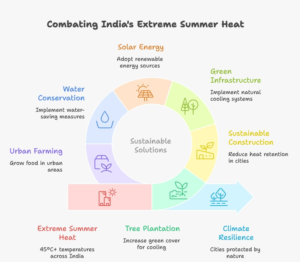
Coastal ecosystems are incredibly valuable. Beaches, mangroves, estuaries, forests, and marine biodiversity provide ecological services that protect coastlines, support livelihoods, and strengthen climate resilience.
Ignoring these natural assets may create short-term gains, but it ultimately weakens the very qualities that attract people to coastal regions in the first place.
For this reason, Everyday Coastal Living Near Vengurla Beach should always be approached with a long-term perspective. Responsible planning, environmentally sensitive architecture, water conservation, renewable energy adoption, and respect for Coastal Regulation Zone (CRZ) guidelines are not obstacles to development—they are essential principles for creating resilient coastal communities.
As environmental awareness continues to grow, I believe destinations that successfully balance nature, infrastructure, and community will become increasingly valuable—not only economically but also socially and environmentally.
Responsible Land Investment: Looking Beyond Short-Term Gains
Throughout my journey in sustainable development and real estate, I have learned that the most rewarding investments are those guided by patience, responsibility, and vision. While market cycles may fluctuate, land remains a finite resource, especially in environmentally sensitive coastal regions. This is why I believe Everyday Coastal Living Near Vengurla Beach should not be viewed through the lens of speculation alone, but as an opportunity to participate in responsible, long-term value creation.
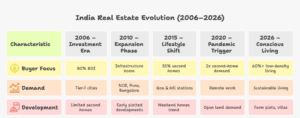
Today’s buyers are no longer driven only by square footage or location. They increasingly evaluate environmental quality, access to nature, community well-being, connectivity, and future resilience. Coastal destinations that preserve these attributes are likely to remain attractive over time.
According to insights published by leading real estate consultancies such as Knight Frank India, JLL India, and CBRE India, lifestyle-led residential demand, second homes, and wellness-oriented living have become increasingly important themes within India’s premium real estate market.
For me, this reinforces an important idea: the future of coastal real estate lies not in excessive development but in thoughtful planning that enhances quality of life while preserving ecological balance.
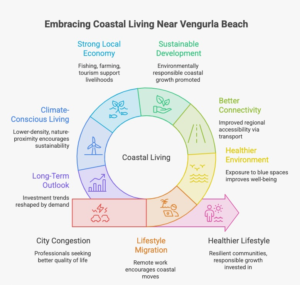
Future Growth Drivers for Everyday Coastal Living Near Vengurla Beach
When I evaluate the long-term prospects of a region, I focus less on short-term trends and more on structural drivers that can sustainably influence growth over the coming decades.
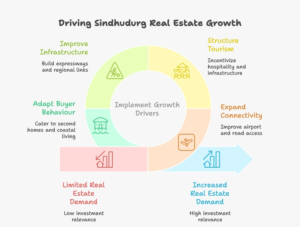
Several factors support the future potential of Everyday Coastal Living Near Vengurla Beach:
Improving Regional Connectivity
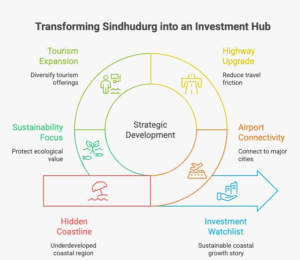
Enhanced highways, rail links, and airport access continue to reduce travel times while improving accessibility for residents, businesses, and visitors.
Sustainable Tourism
Responsible tourism creates employment, supports local businesses, and encourages investment in public infrastructure without compromising natural resources.
Lifestyle Migration
Remote work, hybrid employment, and entrepreneurship have made it possible for more people to choose where they live based on lifestyle rather than workplace location.
Wellness Economy
Health-conscious individuals increasingly value destinations that offer cleaner air, open landscapes, and opportunities for outdoor living.
Environmental Awareness
Global awareness of climate resilience and sustainable development is encouraging investors to prioritise environmentally responsible destinations.
Rather than relying on a single growth catalyst, I believe Everyday Coastal Living Near Vengurla Beach benefits from the convergence of multiple long-term trends.
Understanding the Risks—and Why Responsible Planning Matters
No investment is entirely without risk, and coastal regions deserve careful due diligence. As someone who advocates responsible land ownership, I believe transparency is essential.
Some of the key considerations include:
- Understanding applicable Coastal Regulation Zone (CRZ) provisions before purchasing land. Official notifications and guidelines are available through the Ministry of Environment, Forest and Climate Change.
- Verifying land titles, approvals, and local planning regulations.
- Assessing climate resilience and site-specific environmental conditions.
- Choosing development practices that minimise ecological impact.
- Considering long-term maintenance and sustainable construction methods.
Responsible investment is not about avoiding risk entirely—it is about understanding it, planning for it, and making informed decisions.
Myths vs. Facts About Everyday Coastal Living Near Vengurla Beach
Myth | Fact |
Coastal living is only suitable for holidays. | Many professionals, retirees, and entrepreneurs now choose coastal regions for year-round living. |
Coastal regions lack modern connectivity. | Improvements in highways, railways, and airport infrastructure continue to enhance accessibility across the Konkan region. |
Sustainable development limits economic growth. | Well-planned sustainable development strengthens long-term environmental, social, and economic resilience. |
Coastal investments are purely speculative. | Responsible investment supported by infrastructure, environmental stewardship, and community development can contribute to long-term value. |
Living close to nature means sacrificing convenience. | With improving digital connectivity and transport, many coastal regions are becoming increasingly practical for modern lifestyles. |
Key Takeaways
If there is one message I hope readers take away, it is that Everyday Coastal Living Near Vengurla Beach is not simply about choosing a different location—it is about embracing a different philosophy of living.
It encourages us to:
- Prioritise health alongside wealth.
- Respect natural ecosystems while planning development.
- Support local communities rather than replacing them.
- View land as a long-term responsibility rather than a short-term commodity.
- Appreciate that infrastructure and sustainability can grow together.
- Create value that benefits future generations as much as the present.
For investors, this means looking beyond immediate returns and recognising that environmentally responsible destinations often derive their greatest strength from preserving the very qualities that make them unique.
Conclusion
As I reflect on the future of India’s coastal regions, I remain optimistic—not because I expect rapid urbanisation, but because I believe we are gradually recognising the importance of balanced growth.
For me, Everyday Coastal Living Near Vengurla Beach represents more than scenic landscapes or investment potential. It symbolises a way of living where environmental stewardship, thoughtful infrastructure, community well-being, and responsible land ownership work together rather than compete with one another.
Prosperity should never come at the cost of nature. Instead, genuine progress should enhance the landscapes we inherit, strengthen the communities that sustain them, and create opportunities that endure across generations.
Vengurla offers an opportunity to rethink what coastal development can look like. If approached with care, research, and long-term vision, it has the potential to become a model for sustainable coastal living—one where economic opportunity is balanced by ecological responsibility and where quality of life becomes the true measure of success.
As we make decisions about where and how we invest, I encourage every reader to ask a simple question: Will this investment create value only for today, or will it continue to benefit people and nature for decades to come? In my view, that is the real foundation of responsible development.
FAQs
1. What is Everyday Coastal Living Near Vengurla Beach?
It refers to embracing coastal life as a year-round lifestyle focused on wellness, sustainability, community, and responsible living rather than only as a holiday experience.
2. Why is Vengurla attracting attention?
Its natural beauty, improving connectivity, traditional culture, and relatively low-density environment make it appealing for second homes, retirement living, and lifestyle-driven buyers.
3. Is Vengurla well connected?
Yes. The region benefits from NH-66, the Konkan Railway, Sindhudurg Airport (Chipi), and proximity to Goa’s Manohar International Airport (Mopa), improving accessibility.
4. What are the benefits of coastal living?
Potential benefits include cleaner surroundings, access to nature, opportunities for outdoor activity, reduced stress, and a slower pace of life.
5. Is Everyday Coastal Living Near Vengurla Beach suitable for remote professionals?
With improving digital infrastructure and connectivity, many remote professionals may find the region supportive of a work-from-anywhere lifestyle.
6. What should investors consider before buying coastal land?
Due diligence should include title verification, CRZ compliance, environmental assessments, infrastructure access, and long-term planning.
7. Why is sustainability important in coastal development?
Sustainable development helps protect biodiversity, strengthen climate resilience, preserve local livelihoods, and support long-term economic value.
8. What is the Blue Economy?
The Blue Economy promotes the sustainable use of ocean and coastal resources to support economic growth, livelihoods, and ecosystem conservation.
9. How do government initiatives support coastal regions?
Policies related to tourism, infrastructure, environmental conservation, and the Blue Economy aim to encourage balanced regional development.
10. Why is responsible land ownership important?
Responsible ownership ensures that development respects ecological limits, complies with regulations, and contributes positively to communities and future generations.